




The psychology behind luck Understanding the mental effects of gambling
The Illusion of Control
Many gamblers often believe they have control over their luck, attributing their wins to skill rather than chance. This illusion of control can lead to increased gambling behavior as players think their strategies or choices directly influence outcomes. This mindset can create a cycle where individuals continuously chase their perceived mastery of luck, often leading to detrimental financial consequences. For those interested in the gaming scene, checking out the top 10 online casinos australia can provide insights into managing bankroll effectively while enjoying the thrill of gambling.
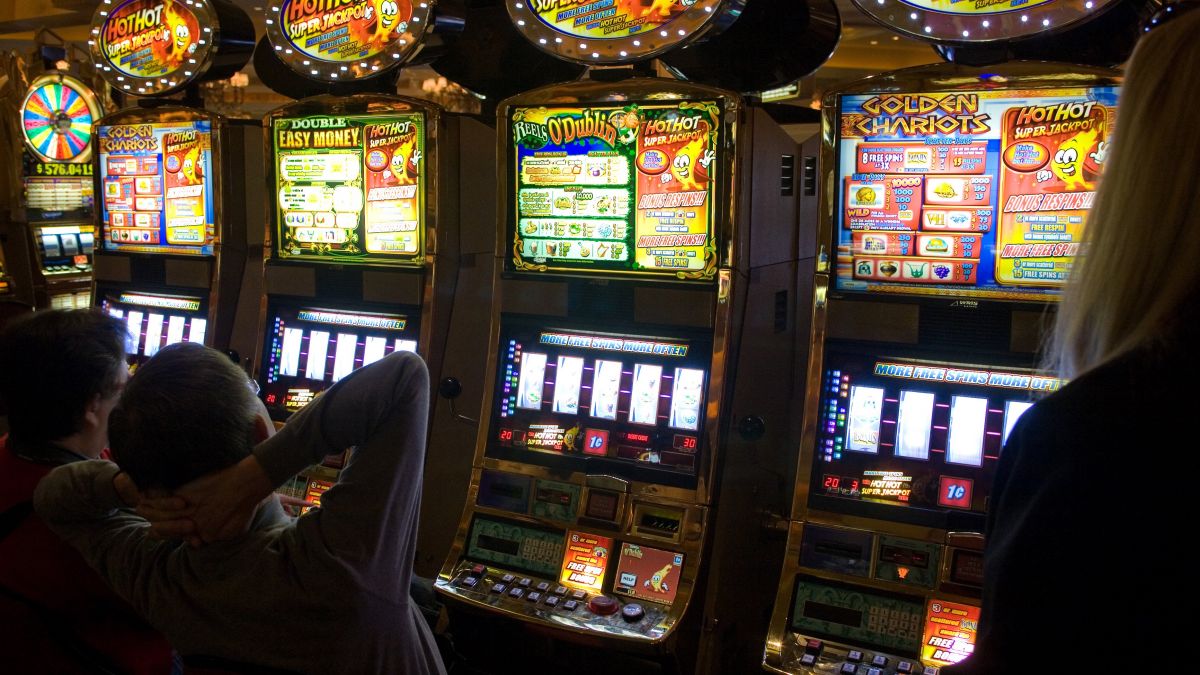
This psychological phenomenon is deeply rooted in cognitive biases. Gamblers may remember their wins more vividly than their losses, reinforcing the belief that they can affect luck. This selective memory can skew perceptions, making it hard for individuals to recognize the true random nature of gambling activities.
The Role of Superstitions
Superstitions play a significant role in the gambling mindset. Many gamblers engage in rituals or behaviors they believe will enhance their luck, from wearing lucky clothing to performing specific actions before placing bets. These superstitions can provide psychological comfort, making players feel more empowered and less anxious about their choices.
However, reliance on such superstitions can lead to irrational decision-making. When luck is framed as something that can be manipulated, gamblers may take unnecessary risks, believing that their actions will sway the odds in their favor. This mentality can lead to increased losses and a distorted understanding of probability.
The Impact of Near Misses
Near misses—situations where a player comes close to winning—can significantly affect gambling behavior. These experiences can be psychologically rewarding, prompting gamblers to continue playing in hopes of eventually achieving success. The brain releases dopamine in response to these near misses, reinforcing the desire to gamble despite the lack of actual wins.
This reaction can perpetuate a cycle of gambling, as players often interpret near misses as signs of impending victory. This misinterpretation can lead them to gamble more frequently, ignoring the reality that these outcomes do not guarantee future success and can lead to greater losses over time.
The Social Influence of Gambling
The social context of gambling can greatly influence individual behavior. Whether in a casino environment or online, the presence of others can heighten excitement and alter decision-making. Peer pressure, social norms, and the competitive atmosphere can push individuals to gamble more than they initially intended.
Additionally, social interactions can contribute to a shared narrative around luck. Conversations about big wins and lucky streaks can amplify feelings of hope and excitement, potentially obscuring the risks involved in gambling. This social reinforcement can make it harder for individuals to assess their gambling habits critically.

Understanding Your Gambling Mindset
Recognizing the psychological factors that influence your gambling behavior is crucial for responsible gambling. Understanding the concepts of illusion of control, superstitions, and social influences can help you develop healthier attitudes towards gambling. It’s important to approach gambling with a clear mindset, focusing on entertainment rather than profit.
If you find yourself struggling with gambling habits, consider seeking support or utilizing tools for responsible gambling. By fostering awareness of the psychological aspects at play, you can better manage your bankroll and make informed decisions, ensuring that your gambling remains a fun and controlled experience.